
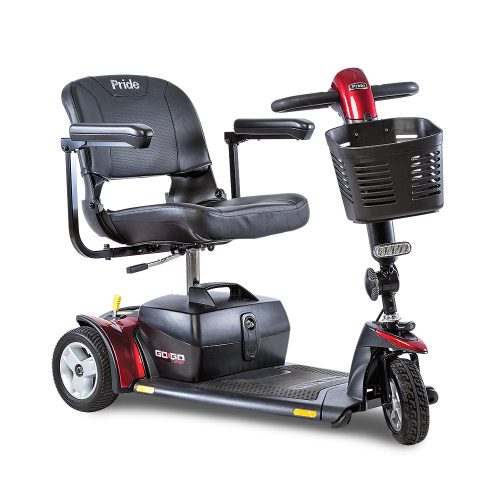

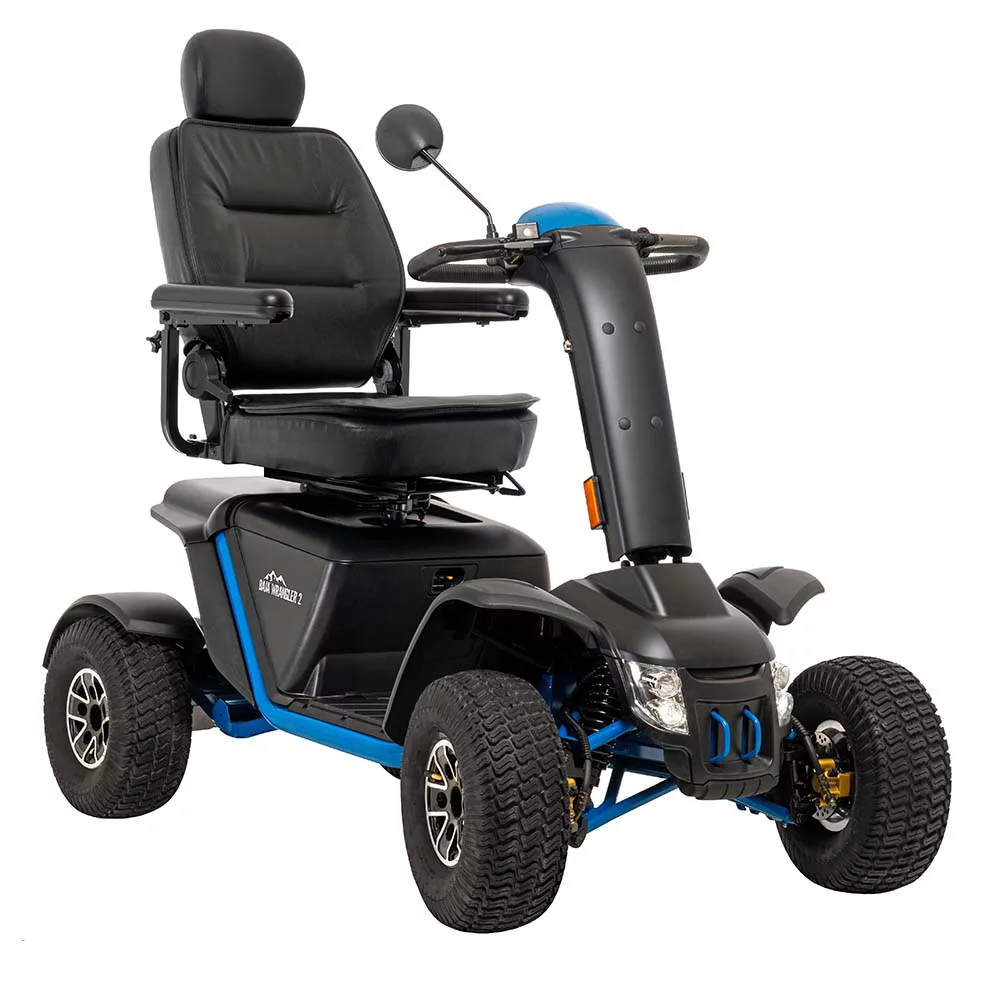
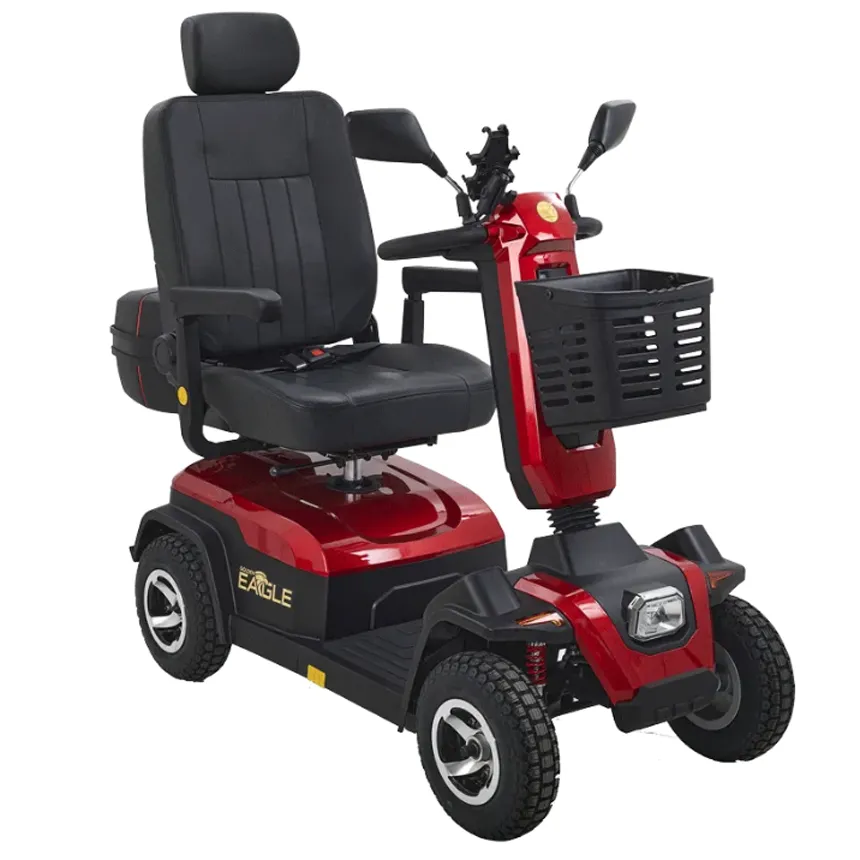
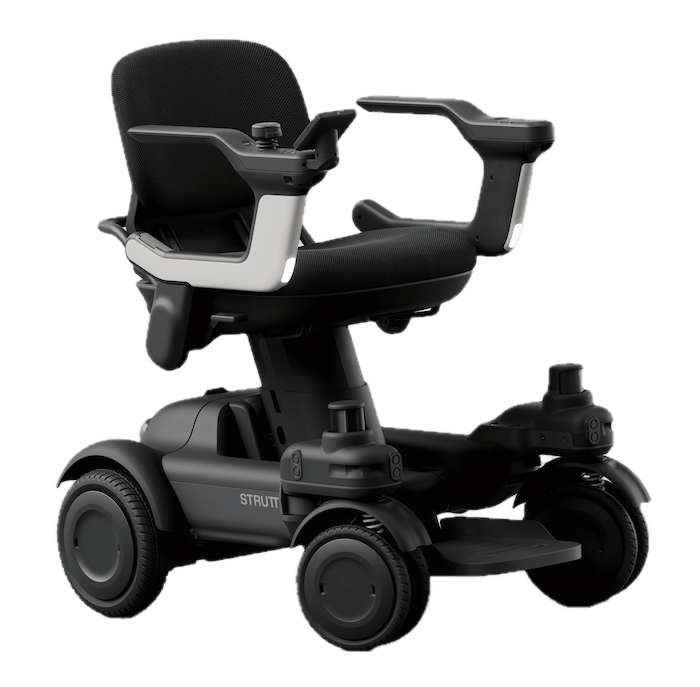










If you have been in an accident that has left you with a spinal cord injury, your life has changed. You may need a wheelchair or other mobility equipment. You may also be able to receive disability benefits from the Social Security Administration (SSA).
To qualify, you must prove your injury is so severe that you cannot work and earn a living. The SSA has very strict guidelines and medical criteria. A claimant must meet them to qualify for disability benefits. To be approved for disability benefits, your condition must keep you from working for at least 12 months.
Conditions expected to lead to death also qualify.
Social Security disability after a spinal cord injury
The symptoms are dependent on the severity of the injury and where the spine was injured. Pain and numbness are common symptoms, and other body parts can experience problems.
A mid-spine injury can affect functioning below that injured region. If there is a partial spinal injury, then it is called “incomplete.” A complete spinal injury has complete loss of functioning everywhere below the point of injury.
Incontinence, paralysis, pain, uncontrolled muscle contractions, numbness, inability to regulate body functions, and difficulty breathing are some common symptoms.
Meeting the Medical Criteria
The SSA uses a medical guide called the Blue Book. It determines if a claimant qualifies for disability benefits. A spinal cord injury is evaluated under Listing 11.08, Spinal cord disorders, in the neurological section.
You can meet that listing in three ways. One is complete loss of motor, sensory, and autonomic function in the affected part of the body, lasting three months after the injury. Another is disorganization of motor function in two limbs that leaves you with an extreme limitation in standing up from a seat, keeping your balance, or using your arms, again for three months. The third is a marked limitation in physical functioning together with a marked limitation in one area of mental functioning, such as concentrating or managing yourself.
If the injury also damaged the bones of the spine and compressed a nerve root, the musculoskeletal listings may apply instead. Listing 1.15 covers nerve root compromise and 1.16 covers lumbar spinal stenosis affecting the cauda equina. Both replaced the old Section 1.04, which the SSA retired in 2021.
Medical imaging, physician statements, and surgical notes and treatment records must present the needed evidence.
Using a Medical-Vocational Allowance
You may not meet the criteria of Listing 11.08. In that case, you may qualify through a medical vocational allowance.
This means your claim will be evaluated using your medical conditions, age, work history, skills, and educational background. The goal is to determine what kind of work, if any, you can do. Medical records will still be needed. A residual functional capacity (RFC) will be completed to determine your restrictions, limitations, and abilities.
Your doctor can complete an RFC that details your abilities and restrictions. It could be helpful to your disability claim. The RFC will be specific. It will indicate how long you can stand, how far you can walk, and how much you can lift.
It also covers whether you can bend, squat, or reach, and your ability to do fine tasks with your hands.
Applying for Disability Benefits
Ready to apply for disability benefits for a spinal cord injury?
Visit the Social Security website or call 1-800-772-1213 to speak with a representative. You can also schedule an appointment at a local SSA field office. Get a free case review with a disability attorney to determine how to proceed.
Resources:
- Living Spinal: http://livingspinal.com/
- Blue Book Description: https://www.disabilitybenefitscenter.org/glossary/blue-book
- Blue Book listing for spinal cord disorders: https://www.ssa.gov/disability/professionals/bluebook/11.00-Neurological-Adult.htm#11_08
- Blue Book musculoskeletal spine listings (1.15, 1.16): https://www.ssa.gov/disability/professionals/bluebook/1.00-Musculoskeletal-Adult.htm
- More on Medical Vocational Allowance: https://www.disabilitybenefitscenter.org/glossary/medical-vocational-allowance
- Residual Functional Capacity form:
- Local SSA Office: https://www.disabilitybenefitscenter.org/state-social-security-disability




