
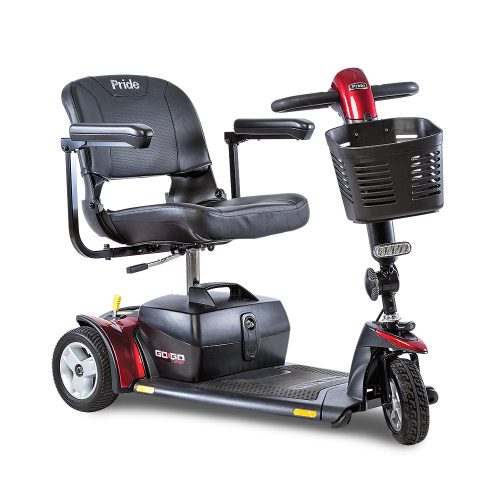

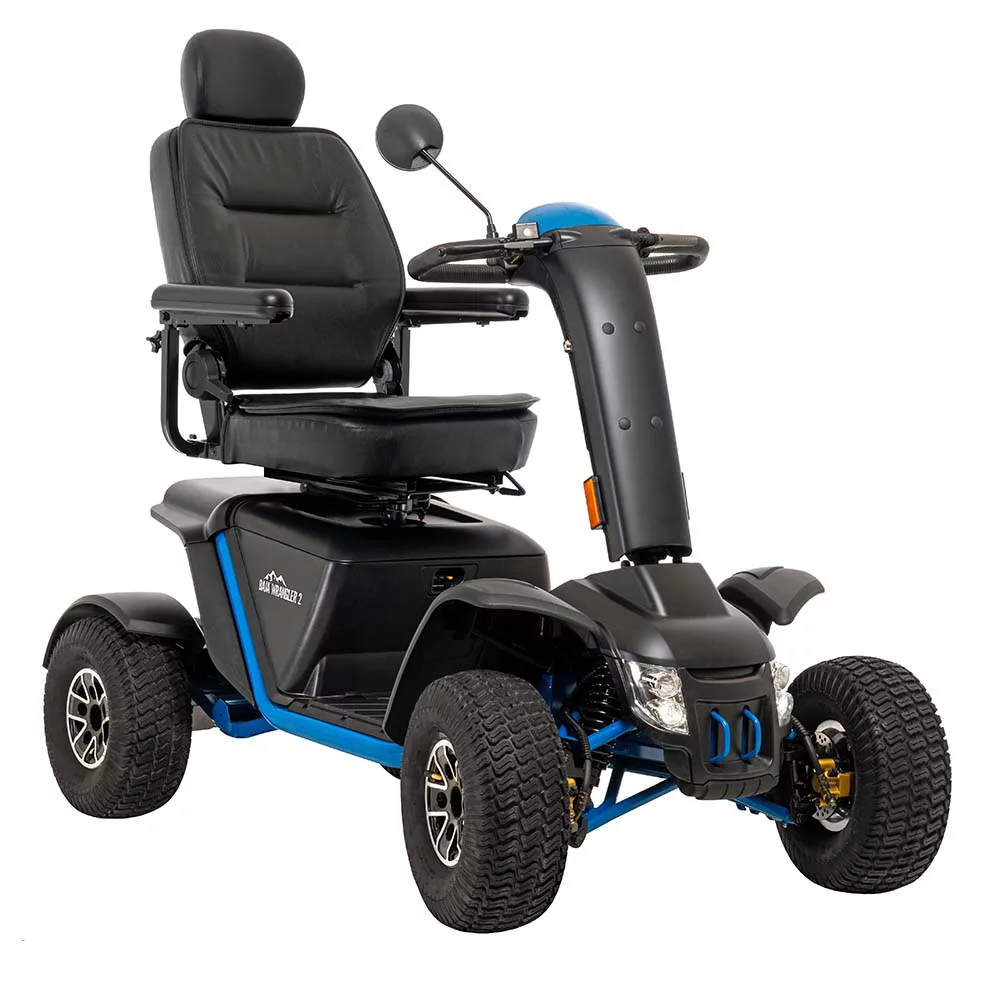
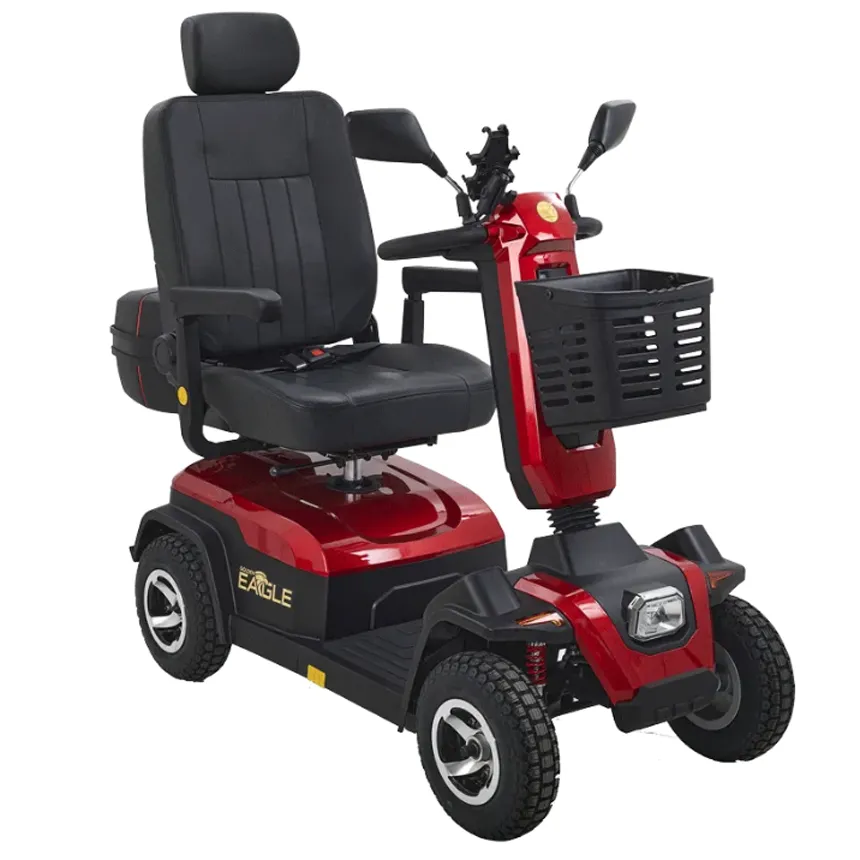
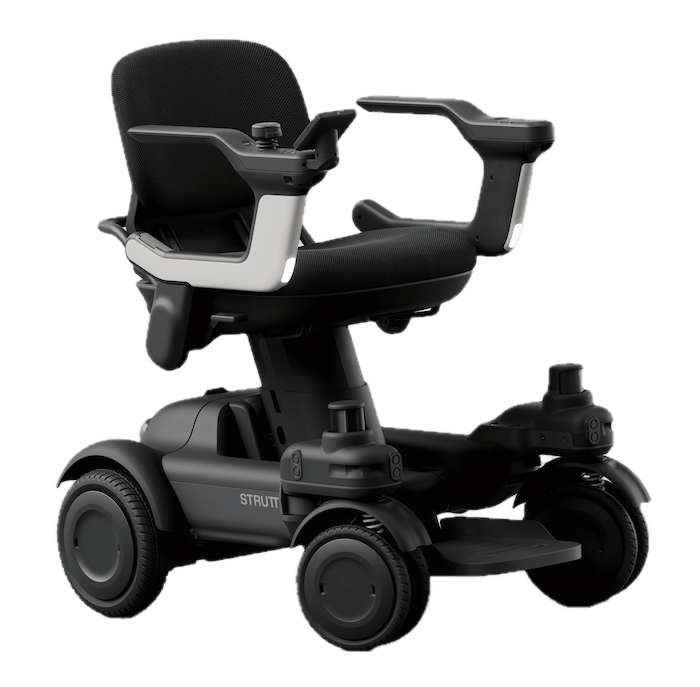









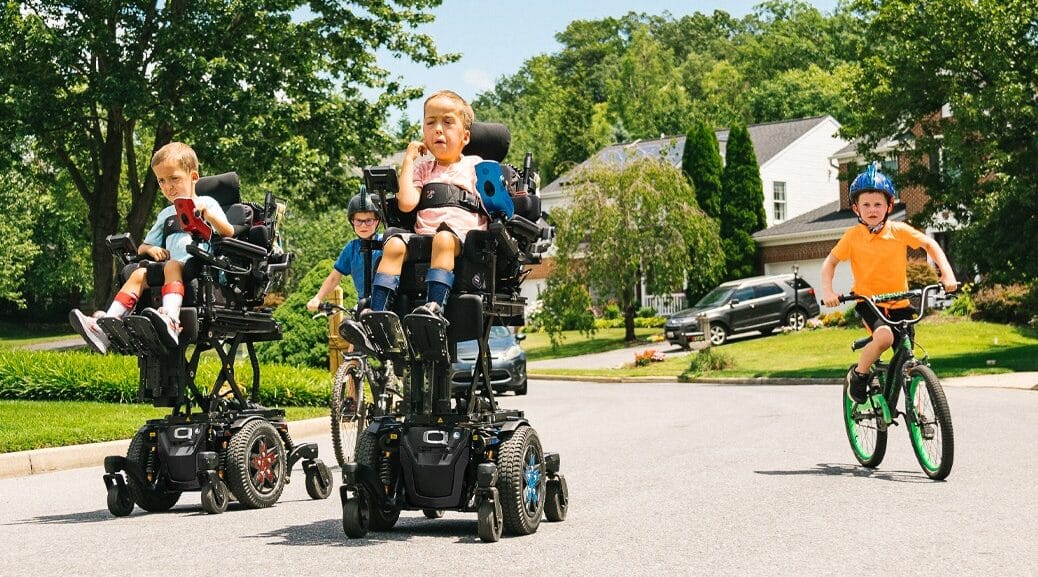
Choosing mobility equipment for a child is different from choosing for an adult. Children grow, routines change with every school year, and parents carry the equipment as much as the child uses it. Here is what matters most, based on the families we serve across East Texas — and which of our brands matter for each need.
1. Room to grow
Children outgrow equipment fast.
So look for adjustable seat depth, backrest height, and footrest positions. A chair that adjusts can serve for years. A fixed one may fit for months.
When you compare two options, price the adjustable one against buying the fixed one twice — the math usually decides itself.
2. Positioning and support
Growing bodies need correct posture support, not just a seat. Lateral supports, headrests, and harnesses matter far more for children than for adults.
Follow the guidance of your child’s physical or occupational therapist — we work alongside therapists, not in place of them. Bring their seating notes to the showroom, and we will match equipment to the prescription rather than the other way around.
3. Weight and portability
Parents lift children’s equipment in and out of vehicles many times a day. Therefore, check the real lifting weight, not just the rolling weight.
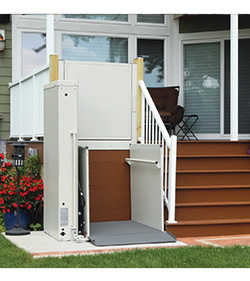
Lightweight manual chairs help. Also consider a vehicle lift from Harmar or Bruno if daily loading strains anyone’s back — a lift pays for itself in saved shoulders.
4. Safety features
Look for anti-tip wheels, solid brakes, seat belts or harnesses, and speed limits a parent can set. Many power chairs allow a reduced top speed while a child learns.
Reflectors and lights matter too, because school pickup lines and church parking lots are where close calls happen.
5. Where the child actually goes
School hallways, playground gravel, church, grandma’s porch steps — list the real places first.
Then match the equipment to that list. A portable EZ-ACCESS ramp in the trunk often solves more daily problems than a bigger chair. A threshold ramp at the front door removes the bump a small chair fights every single day.
6. The home setup around the child
Equipment is half the answer; the house is the other half. Ceiling lifts from Savaria, Human Care, or Prism Medical make bed and bath transfers safe as a child grows heavier — and they protect the parent’s back for the long haul. Prism’s Pressure Post FIT needs no drilling, so it works in rental homes.
7. Transportation as the family grows
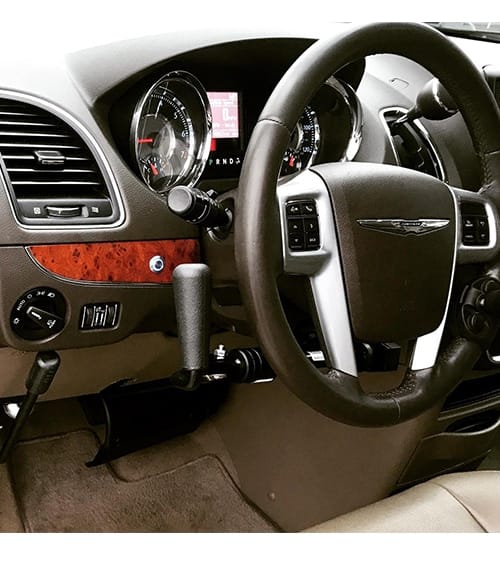
Sooner or later, most families face the vehicle question. Transfer seats like BraunAbility’s Turny Evo, vehicle lifts, and wheelchair-accessible vans each solve it at a different scale.
Talk to us early — the right first step depends on the child’s age, the equipment, and the family car you already own.
8. Try it in person
A child’s reaction tells you things no brochure can.
Bring your child to our Tyler showroom, and we will let them try equipment at their own pace. Call (903) 592-6760 first, and we will have options ready.
Frequently asked questions
Should a therapist be involved?
Yes, whenever possible. Your child’s PT or OT knows their positioning needs best. We are glad to coordinate with them directly.
How often will we replace equipment?
It varies with growth. However, choosing adjustable equipment up front stretches every purchase further.
Which brands should we look at for a child?
It depends on the need: manual chairs from Everest & Jennings and Strongback, home access from EZ-ACCESS and Savaria, transfers from Prism Medical and Human Care, and vehicle solutions from Bruno, Harmar, and BraunAbility. We will narrow it fast once we know your child.
Is there help with the cost?
Ask us about current options. A financing application through Eastman Credit Union is on our Accessibility Loans page, and our Texas grants guide lists programs some families qualify for.




